Discovering the Benefits of Preschool Programs: A Comprehensive Guide to Early Education
Preschool programs play a crucial function in forming a child's early instructional experience. They provide a structured environment where young students can create crucial social skills, psychological durability, and cognitive capabilities. These fundamental skills are essential as kids relocate into even more official education. Understanding just how these programs contribute to a youngster's growth reveals much regarding their lasting academic trajectory. What particular benefits do these very early experiences supply, and just how do they influence a youngster's future?
The Importance of Social Abilities Growth
While many elements of very early education and learning concentrate on scholastic abilities, the development of social skills in preschool programs is similarly vital. Social skills incorporate the ability to connect properly, team up with peers, and navigate social situations, every one of which are vital for a kid's total advancement. In preschool, kids find out to share, take turns, and settle problems, cultivating a feeling of neighborhood and belonging. These experiences make it possible for young learners to create relationships and develop compassion, preparing for favorable connections in the future.
Educators play a pivotal role in assisting in social ability development with structured activities and led communications. With team projects and playtime, children practice necessary abilities such as paying attention, discussing, and recognizing varied perspectives. These interactions help kids develop confidence and self-confidence, vital parts for their academic and individual journeys. Overall, supporting social abilities in kindergarten enriches youngsters's experiences and prepares them for the complexities of social life beyond school.
Structure Emotional Resilience in Young Learners
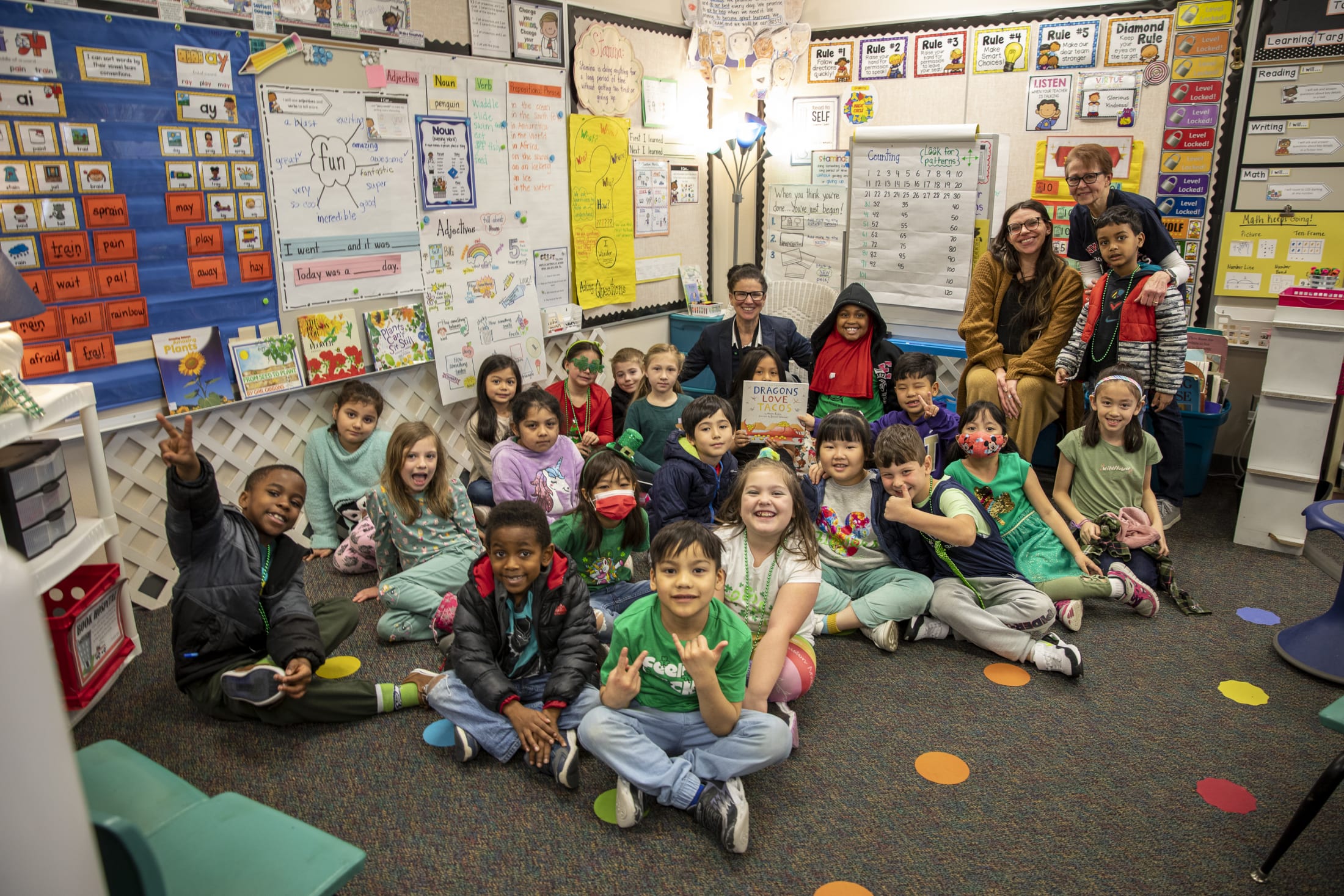
Building psychological strength in young students is fundamental to their overall wellness and success in various aspects of life. Preschool programs provide an organized setting where children can find out to navigate their emotions successfully. Via led activities and communications, instructors help children recognize and share their sensations, fostering a feeling of self-awareness.
In addition, these programs usually include techniques for dealing with challenges, such as analytical activities and role-playing circumstances that prepare children for real-life circumstances. By encouraging participation and empathy, young learners establish solid social links, which are vital for emotional support.
Educators play a pivotal duty in modeling resilience by showing just how to manage tension and misfortune. As kids observe these habits, they internalize beneficial coping mechanisms, outfitting them to take care of future psychological problems with higher convenience. Overall, nurturing psychological durability in very early education and learning lays a solid foundation for lifelong mental health and wellness and versatility.
Enhancing Cognitive Capacities With Structured Understanding
As children participate in organized learning experiences within kindergarten programs, their cognitive capacities are significantly improved. These programs present age-appropriate tasks that promote crucial thinking and problem-solving skills. As an example, hands-on tasks such as problems and foundation advertise spatial awareness and rational thinking.
Interactive narration and group conversations foster language development, broadening vocabulary and comprehension. Through organized regimens, children discover to adhere to directions, boosting their exec functioning abilities, which are vital for future scholastic success.
Social communications within these programs also play a substantial duty, as youngsters discover to team up and interact effectively, further boosting cognitive growth.
In addition, including play-based understanding allows kids to check out concepts in a fun and interesting way, enhancing their understanding and retention of knowledge. On the whole, organized learning in preschool lays a solid structure for cognitive development, preparing kids for the difficulties of college.
Cultivating a Love for Lifelong Knowing
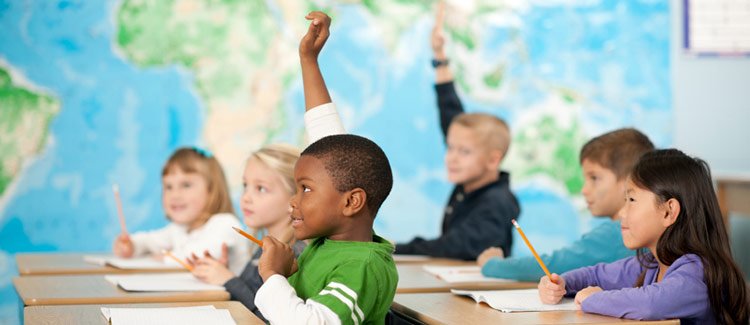
Furthermore, positive communications with peers and educators contribute to an atmosphere where learning is checked out as satisfying and satisfying. This helpful ambience assists impart intrinsic inspiration and reinforces the idea that education and learning is a constant trip as opposed to a location.
As kids uncover their passions and strengths, they are most likely to go after understanding beyond the class, laying the foundation for a long-lasting commitment to understanding. Ultimately, preschool programs play a necessary duty fit passionate students who embrace academic opportunities throughout their lives.
Planning For Future Academic Success
While foundational skills are vital for very early learners, kindergarten programs likewise play a crucial role in preparing kids for future scholastic success. These programs introduce vital concepts such as literacy and numeracy, ensuring that kids create the cognitive capacities needed for more sophisticated understanding. By taking part in organized tasks, trainees improve essential reasoning and problem-solving skills, laying a solid groundwork for their instructional journey.
Additionally, preschool promotes social-emotional growth, enabling kids to navigate collective tasks and build connections with peers. This collective environment infuses a feeling of belonging and enhances confidence, which is vital for academic persistence.
Additionally, direct exposure to diverse discovering experiences in preschool cultivates flexibility, gearing up youngsters to deal with different topics and challenges in subsequent qualities (Private School). Eventually, by supplying a versatile early education, kindergarten programs guarantee that children are not just ready for very first quality but likewise planned for ongoing scholastic accomplishment throughout their instructional occupations
Often Asked Inquiries
What Age Is Perfect for Beginning Preschool Programs?
The ideal age for beginning kindergarten programs is usually in between five and six years of ages. This age allows kids to establish crucial social, emotional, and cognitive skills, preparing them for future scholastic success and individual development.
Exactly how Do I Pick the Right Preschool Program for My Child?
To pick the right kindergarten program, one ought to consider aspects such as curriculum, teacher certifications, class dimension, location, and the college's approach. Observing the environment and celebration responses from other parents can also be valuable.
Exist Any Kind Of State Requirements for Kindergarten Enrollment?
Numerous states have specific needs for kindergarten enrollment, consisting of age limitations and documentation such as copyright or evidence of residency (Grade School). Moms and dads ought to consult their neighborhood education and learning authority to recognize the specific criteria in their location
What Should Moms and dads Expect Throughout a Common Kindergarten Day?
During a typical kindergarten day, moms and dads can expect organized activities consisting of circle time, imaginative play, fundamental scholastic lessons, snack breaks, and social interaction, all made to cultivate learning and advancement in a nurturing atmosphere.
How Can Moms And Dads Support Discovering at Home along with Preschool?
Parents can sustain discovering at home by taking part in routine reading, including educational games, establishing a regular regimen, encouraging interest via concerns, and creating a favorable, caring atmosphere that cultivates expedition and creativity.
Preschool programs play a pivotal function in shaping a youngster's very early academic experience. Preschool programs supply an organized setting where youngsters can learn to browse their emotions effectively. As kids engage in structured knowing experiences within preschool programs, their cognitive capabilities are considerably boosted. By interesting youngsters in diverse tasks-- such as storytelling, hands-on experiments, and collaborative jobs-- preschool programs cultivate curiosity and expedition. While fundamental abilities are important for very early learners, kindergarten programs additionally play a vital function in preparing kids for future academic success.